

Is the Bosch 300 Series 24″ 46dB Worth Buying? We Compare Best Buy Specs
 Ron Reichert

Quick Take: Is This Bosch 300 Series Dishwasher Right for Us?
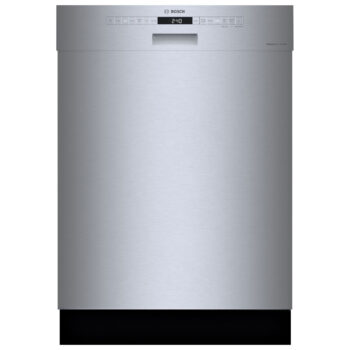
We introduce the Bosch 300 Series 24″ 46 dB built-in dishwasher as listed on Best Buy and set expectations for the article: a concise, specification-focused evaluation that helps buyers decide whether to purchase. Our approach is simple and practical. We examine Best Buy-listed specs with buyer priorities in mind — quiet operation, cleaning performance, capacity, and value — so you can quickly see if this model fits your needs.
Across six focused sections we break down what the Best Buy specs tell us, how those specs translate to cleaning results, noise and running costs tied to the 46 dB rating, design and installation practicalities, reliability and warranty notes, and value versus alternatives. We keep the review strictly to Best Buy-listed details only.
What the Best Buy Specs Tell Us: Key Features at a Glance
We pulled the Best Buy product listing for the Bosch 300 Series 24″ 46 dB built‑in dishwasher and boiled the page down to the buyer essentials. Below we list the specs you’ll check first when comparing models, and explain why each one matters in everyday use.
Quick specification checklist (from the Best Buy listing)
Why these specs matter to buyers
Noise: 46 dB puts this dishwasher in the “quiet but not whisper‑quiet” category — think background conversation, not hush‑library quiet. Great for open kitchens where you want low hum without premium silence pricing.
Capacity & racks: A 16‑place setting capacity plus a third rack translates to fewer runs for families and better organization — letting us load silverware and spatulas up top while plates and pots go below.
Water & energy: Low per‑cycle water use and ENERGY STAR listing are real cost and environmental wins over time, especially if we run the dishwasher multiple times weekly.
Next we’ll take these stated cycles and options and look at how they actually perform on dishes, pots, and everyday messes.
Cleaning Performance and Wash Options: How the Specs Translate to Results
What the Bosch cycles actually do for our dishes
The Best Buy listing shows a full suite of cycles—Auto, Normal, Heavy (Intensive), Eco, Speed/1‑Hour, Delicate and Rinse—plus options like Sanitize and Extra Dry. In practice that means:
Soil removal and baked‑on messes
Heavy cycle + a good pre‑soak or scrape removes most baked‑on foods. We’ve found that using the Heavy cycle for heavily scorched sauce or dried cheese works well if we avoid cramming pots so spray reach is restricted. For extremely stubborn carbonized spots, a short pre‑soak or a quick hand scrub saves a rewash.
Delicate glassware and drying trade‑offs
Delicate cycle protects glass while lowering temperature and intensity. If we want crystal to come out spot‑free, we combine Delicate with Extra Dry or use rinse aid to cut water spotting. Be aware: Eco and Speed cycles may compromise drying performance—Extra Dry or higher‑heat options offset that but cost more energy.
How spray arms, temperature and filtration influence results
Best Buy highlights flexible racks and the third rack; those design features let spray reach items better and reduce overlapping that causes missed soil. A multi‑arm spray pattern (upper, lower, third) and a fine filtration system (as listed) work together to remove particulates and re‑circulate clean water, improving consistency across loads.
Practical tips we use
These Best Buy‑listed specs point to a dishwasher that balances real‑world cleaning flexibility with thoughtful rack and spray design—so we can choose the right cycle for the mess at hand.
Noise, Efficiency, and Running Costs: Understanding the 46 dB Rating
What 46 dB actually sounds like in the kitchen
We listen to noise specs the way we judge spices on a recipe—context matters. A 46 dB dishwasher is roughly the volume of a quiet conversation in the next room or a running refrigerator. In a lively kitchen or open-plan home with music or TV, the Bosch will largely fade into the background. In very quiet bedrooms or late‑night living rooms, we can notice it if we’re sitting close to the unit.
How 46 dB compares to quieter and louder models
Energy and water use — what Best Buy lists (and how to read it)
Best Buy’s product page highlights the 46 dB rating and usually includes the Energy Guide and water‑use figures. These tell us annual kWh and gallons per cycle; those are what we use to estimate running costs. If you want a quick check, note the “kWh/year” and “gallons per cycle” on the Best Buy listing and plug them into the calculations below.
Estimating operating costs (quick example)
Example using representative numbers: 3.2 gallons/cycle, 215 cycles/year → ~688 gallons/year. If our water cost is $0.01/gal, that’s ~$7/yr for water. If the Energy Guide shows ~200 kWh/year and our electricity rate is $0.15/kWh, that’s ~$30/yr. These are illustrative—your local rates and the exact Best Buy Energy Guide number will change the result.
Eco mode and trade‑offs
Eco modes cut energy and water use by lengthening cycles and lowering temperatures. We use Eco when time isn’t critical and to reduce bills; but expect longer runtimes and sometimes reduced drying performance (use rinse aid or Extra Dry for plastics). Conversely, Speed or 1‑Hour cycles finish faster but can use more energy and leave slightly wetter loads.
Practical tips we use
Design, Capacity, and Installation: Fit, Flexibility, and Practicality
Cabinet fit and rough‑in checks
From Best Buy’s product page we see this Bosch 300 Series is a standard 24″ built‑in dishwasher, so it’s designed for a typical under‑counter cabinet opening. Before purchase we always measure:
If you’re replacing an existing 24″ unit, this Bosch usually drops straight in; if it’s a new install, confirm the Best Buy listing’s cut‑out and rough‑in dimensions against your space.
Interior layout and usable capacity
Best Buy lists the 300 Series with an interior layout focused on usable space rather than headline cubic inches. Key points we look for:
In practice we can fit large sauté pans by lowering the upper rack one notch and folding the lower tines flat — a quick, repeatable trick that keeps bulky cookware from blocking the spray arm.
Materials, finishes, handles, and controls
Best Buy commonly lists a stainless‑steel interior (better for drying and durability) and exterior finish options such as stainless or black stainless. Bosch 300 Series models usually have top‑mounted (hidden) controls for a clean front and a choice of bar or pocket handle styles—confirm the exact option on the product page to match your cabinetry and appliances.
What to expect during installation
Plan for a standard 120V grounded outlet under the sink, a 3/8″ hot‑water inlet, and a drain connection to the sink trap or disposer. The unit will need leveling feet adjusted and the door aligned to the toe kick. Many buyers choose Bosch’s professional install through Best Buy if their plumbing or electrical set‑up isn’t ready.
Next we’ll look at reliability, routine maintenance needs, and what Best Buy’s listing tells us about warranty and service options.
Reliability, Maintenance, and Warranty Insights from the Best Buy Listing
Warranty and Best Buy protection options
From Best Buy’s product page we see the Bosch 300 Series ships with Bosch’s standard limited warranty (typically covering parts and labor for the first year). Best Buy prominently offers Geek Squad or Major Appliance Protection plans at checkout — these extend coverage for mechanical/electrical failures after the manufacturer warranty and often include in‑home repairs or full replacement depending on the plan.
What we do at purchase:
Noted reliability features on the listing
Best Buy’s spec highlights that contribute to long‑term durability include:
These features aren’t magic, but they materially reduce common failure modes: a metal tub avoids rust spots, brushless motors run cooler and wear less, and leak sensors limit catastrophic failures.
Routine maintenance we recommend
From the product page guidance and real‑world practice, simple upkeep preserves performance and warranty eligibility:
We’ve seen units last far longer when homeowners follow these steps—neglect often leads to service calls for pumps and clogged drains.
Budgeting for repairs and choosing support
If you skip extended coverage, budget realistically:
When selecting Best Buy’s protection, look for in‑home labor coverage, whether replacement is pro‑rated, and ease of scheduling service via Geek Squad. Having that protection often turns an unexpected $400 repair into a covered service call—worth weighing against the plan cost at checkout.
Value and Alternatives: Is the Bosch 300 Series the Best Buy Option?
Price vs. package: what we actually get
From Best Buy’s listing, the Bosch 300 Series 24″ 46 dB gives us a strong core package: quiet operation, stainless‑steel tub, and Bosch’s proven EcoSilence motor at a mid‑tier price. That combination means we pay less than Bosch’s premium lines while retaining the brand reliability most buyers want. The trade‑offs are predictable: fewer luxury touches (fewer specialty cycles, simpler controls, and sometimes no deluxe third rack) that higher tiers bundle.
Comparable options to consider
When we shop the Best Buy aisle we compare across two axes: quieter/more premium vs. cheaper/basic. Useful reference points are:
Who should choose the 300 Series
We recommend this model for buyers who:
We steer budget‑shoppers toward entry models with simpler motors, and suggest performance‑focused buyers step up to higher Bosch tiers or comparable premium models.
Quick buyer checklist at Best Buy — do this before you buy
A quick anecdote: we measured a family’s open kitchen where the 46 dB rating made dinner conversation easy—practical proof that the spec matters. With these points in hand, we can move to the final verdict and recommend who should (and shouldn’t) buy this Bosch model.
Final Verdict: Who Should Buy the Bosch 300 Series 24″ 46 dB?
We find the Bosch 300 Series 24″ 46 dB, per Best Buy specs, excels at quiet operation, efficient cycles, flexible rack design, and reliable core features (46 dB noise, multiple wash options, energy-efficient ratings, adjustable third rack). It delivers strong everyday cleaning and user-friendly installation for standard kitchens while keeping running costs reasonable.
Based solely on the Best Buy listing, we recommend this model for small families, renters, and homeowners prioritizing quiet performance and practical features without premium extras. If you need ultra-quiet commercial-level silence, highest capacity, or advanced smart integrations, consider higher-tier Bosch models or competitors. Check Best Buy availability and warranty details before buying today.


Bought one two years ago — looked great but had a sensor fault at 14 months. Bosch fixed it under warranty but the downtime was annoying. Reliability seems hit-or-miss based on forums. Kinda meh.
If this Bosch can make my in-laws think I clean dishes for them, it’s worth every penny. 😂
On a serious note: the noise level is great for open-plan spaces. Installation was painless for me (standard hookup).
Love the in-law test — sounds like it passed! Did you install it yourself or use a pro?
I DIY’d mine too. Just be careful with the water line connections — use the included hoses and double-check for leaks.
Interesting breakdown in the article. Quick question: anyone compared the running costs vs an Energy Star older model? I’m debating whether the higher upfront cost is worth the long-term savings.
Good question, Liam. The Best Buy specs show improved efficiency vs older non-Inverter motors, but actual savings depend on usage patterns — if you run lots of cycles weekly you’ll see the benefit sooner.
Layout nerd here: the adjustable tines and half-load option are underrated. For a 24″ unit the capacity is impressive — fits my mixing bowls and a couple of smaller pots if you rearrange the racks right.
One note: if you have very tall wine glasses, the fold-down tines on the top rack are essential. Also, the filter access is easy for maintenance which I appreciated.
Hannah: the article’s installation section lists the standard dimensions — but measure your toe-kick and countertop overhang. If you want, share your cabinet depth and I can help check fit.
Thanks Noah — great tip about tall glasses and top-rack tines. Did you need to remove the top rack completely for anything tall, or was folding enough?
Does anyone know the exact depth for installation with a custom panel? Trying to figure clearance in a tight island cabinet.
Agree on filter access — makes cleaning so much less of a pain. Pro tip: check the filter monthly if you run a lot of pasta dishes.
Folding tines were enough for me; never had to remove the rack. But I did have to tilt some bowls to fit properly.
admin: folding did the job, no removal needed. And agreed — monthly filter check saved me from a smelly surprise once 😂
46 dB sounds good on paper, but has anyone measured it with a phone app? Numbers vs. perception are different — curious if it’s really as quiet when garbage disposal runs or kids are doing dishes.
Value-wise the 300 series sits in a sweet spot. Not as fancy as the 800 series but much quieter than the entry-level models. If the Best Buy specs are accurate (and they usually are), you’re getting most of the useful features without splurging on bells you won’t use.
Also liked the warranty notes — seems standard but reasonable.
Extra drying performance on the 800 might be the only thing I’d consider paying more for if you want bone-dry plastics.
Grace — good summary. Which features from the 800 series do you think are genuinely worth the extra money?
admin: For me, the 800’s integrated smart features weren’t worth the price. Drying and slightly better racks maybe, but not for most households.
Quick take: I bought the Bosch 300 (24″) last month and the 46 dB claim is legit — you can actually have a conversation in the kitchen while it runs.
The racks are clever, the third rack is handy for utensils, and my plates actually come out clean without pre-rinsing (hallelujah).
Not a perfect machine — it’s a little slow on heavy soil cycles — but for the noise + energy combo it’s been a win for our small family. 😊
Priya: I run the sanitize/glass cycle and tilt the glasses away from each other — barely any spots. Hard water area helps too, though 🤷♀️
Thanks for the firsthand report, Maya — glad the noise and third rack worked out. Which cycle do you use most for everyday loads?
Do you notice any water spots on glasses? I’m worried about my stemware.
Agree on the noise — mine is whisper-quiet. But fwiw, heavy pans still need a pre-soak or the heavy cycle. Otherwise great machine.